Common Furniture Moving Challenges and How Professionals Handle Them
Moving furniture sounds simple enough — until you’re standing in front of a six-piece wardrobe wondering how it’s going to fit through a doorway that’s clearly two inches too narrow. Or you’ve just watched a removal team drag your dining table across a marble floor without a single protective pad in sight.
Whether you’re relocating to a new home, moving offices, or just shifting things between rooms during a renovation, furniture moving is one of those tasks that looks straightforward on paper and turns complicated very quickly in real life.
This guide walks you through everything you need to know — from furniture dismantling service to furniture transport — so your next move goes smoothly, safely, and without the stress.
Why Furniture Moving Is More Complicated Than It Looks
Let’s start with an honest reality check. Most people underestimate what’s actually involved in moving furniture professionally.
It’s not just about lifting heavy things and loading them onto a truck. A proper furniture move involves assessment, planning, dismantling, packing, transport, reassembly, and placement — each step with its own set of risks if handled incorrectly.
A wardrobe that wasn’t properly dismantled before moving can crack along the joints. A sofa forced through a tight stairwell can damage the walls, the sofa, or both. Fragile items like glass tables and mirrored furniture can shatter in transit if not wrapped and secured correctly. And furniture transport without proper strapping inside the vehicle means your belongings are sliding around every time the driver brakes.
This is why the difference between a professional furniture moving team and an inexperienced one is enormous — and why understanding what a good service looks like helps you make a smarter choice.
What a Professional Furniture Dismantling Service Actually Covers
Furniture dismantling is often the step people forget to ask about — until something goes wrong.
Most modern furniture, especially flat-pack and modular pieces, needs to be properly dismantled before it can be safely moved. This includes beds, wardrobes, bookshelves, office workstations, dining sets, and fitted furniture. Attempting to move these pieces fully assembled almost always results in damage — either to the furniture itself or to the walls, doors, and floors around it.
A professional furniture dismantling service will:
Assess the furniture before touching anything. An experienced team looks at the type of furniture, how it was assembled, what tools are needed, and whether any parts need special handling. This assessment takes minutes but prevents hours of problems later.
Use the right tools. Allen keys, screwdrivers, and rubber mallets are the basics — but professional teams also carry tools for older furniture with non-standard fixings, and they know when to stop rather than force something that might break.
Label and bag all hardware. Screws, bolts, dowels, and cam locks go missing more often than you’d think. A professional dismantling team bags and labels every piece of hardware so reassembly at the destination is smooth and nothing is left rattling around in a box.
Wrap and protect each component. Once dismantled, individual panels and parts are wrapped in protective materials — bubble wrap, moving blankets, or foam padding — before being moved. This is especially important for wooden furniture that scratches easily and glass components that need extra care.
Reassemble at the destination. A complete furniture dismantling service doesn’t end at the truck. The team reassembles everything at the new location exactly as it was, checks that nothing is loose or incorrectly fitted, and places items where you want them.
Furniture Transport: What Separates Good from Bad
The transport stage is where most damage happens — and it’s almost always preventable.
Professional furniture transport isn’t just about having a big enough truck. It’s about how the furniture is loaded, secured, and handled throughout the journey.
Here’s what to look for in a furniture transport service:
Proper vehicle sizing. Loading too much into a small vehicle means stacking and cramming — which leads to damage. A professional team assesses the volume of your furniture and brings the right sized vehicle, or multiple trips if needed.
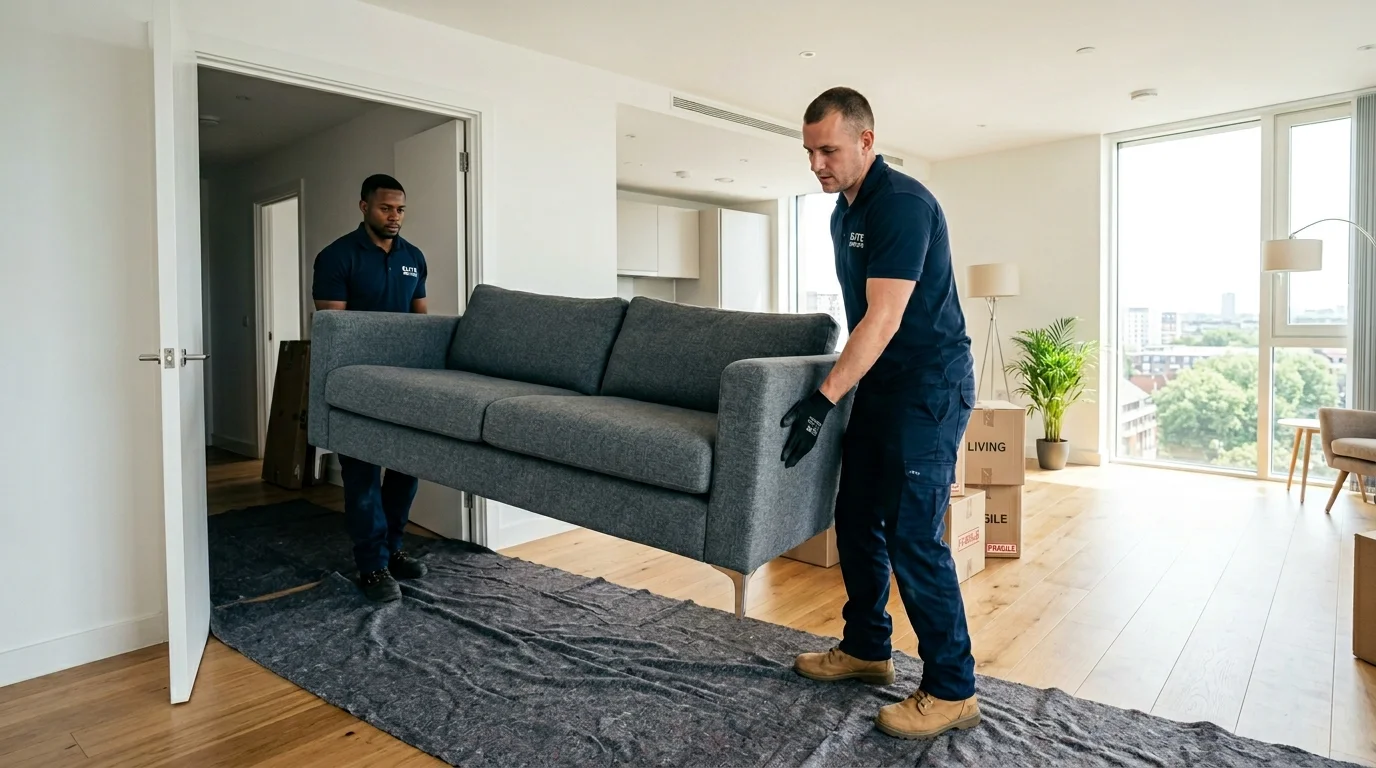
Protective loading. Every piece of furniture should be wrapped or padded before it goes into the vehicle. Corners are particularly vulnerable and should have corner protectors. Glass and mirrors need to travel vertically, not flat.
Secure strapping. Furniture should be strapped to the walls of the vehicle so it cannot shift during transit. An unstrapped wardrobe panel can slide and crack on the first speed bump. Professional movers carry proper securing straps and use them every time — not as an afterthought.
Experienced drivers. A heavy furniture transport vehicle driven at speed or braked sharply can cause significant damage even to well-packed loads. Experienced moving drivers know to drive smoothly, take corners carefully, and choose routes that avoid unnecessary risks.
Insurance coverage. Accidents happen even with the best teams. A professional furniture transport company will carry insurance that covers your belongings during the move. Always ask about this before booking.
Questions to Ask Before You Book a Furniture Moving Company
Not every company that calls itself a furniture mover delivers the same level of service. Before you confirm a booking, ask these questions:
- Do you offer a full furniture dismantling service, or just transport? Some companies only handle the physical moving — you’d need to dismantle and reassemble yourself.
- What packing materials do you use? Blankets, bubble wrap, and corner protectors should be standard.
- Is my furniture insured during the move? Get clarity on what’s covered and what isn’t.
- How do you handle fragile or high-value items? Glass tables, antiques, and custom-made furniture need extra attention.
- Do you provide a fixed quote or charge by the hour? Both models exist — just know what you’re signing up for so there are no surprises on moving day.
The Bottom Line
A furniture move done well feels almost invisible — everything arrives in perfect condition, gets reassembled neatly, and you’re settled into your new space faster than you expected.
A furniture move done poorly, on the other hand, can mean scratched floors, damaged furniture, missing screws, and a lot of unnecessary stress.
The difference usually comes down to one thing: choosing a team that treats your furniture the way you would. Professional furniture dismantling service, careful furniture transport, and proper reassembly — these aren’t extras. They’re the baseline of what a good furniture moving company should offer.
Take the time to choose wisely. Your furniture — and your peace of mind — will thank you for it.
Recent posts